

Diesel Coolant Heater for RV, Truck and Boat — 5KW to 12KW
A Vvkb diesel coolant heater burns diesel to heat your vehicle's coolant — warming your engine and cabin simultaneously, before you start or while parked. Two output levels cover every application: 5KW for RVs, vans, and boats; 12KW for large trucks, motorhomes, and buses. CE, RoHS, and FCC certified, rated to -40°F (-40°C).

Apollo C1 Diesel Coolant Heater — 5KW Parking Heater for Car, Caravan, Truck and Boat
Apollo C1 Diesel Coolant Heater — 5KW Parking Heater for Car, Caravan, Truck and Boat

Vvkb Apollo GC5 Gasoline Water Heater — 5KW 12V
Vvkb Apollo GC5 Gasoline Water Heater — 5KW 12V
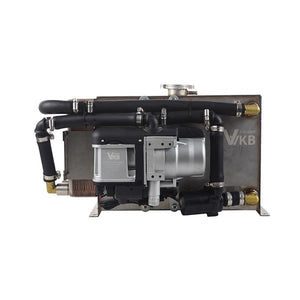
Diesel Hot Water System - 12V 5KW for Caravans, Campervans and Boats
Diesel Hot Water System - 12V 5KW for Caravans, Campervans and Boats

Vvkb Apollo GH5 Gasoline Hot Water System — 5KW 12V
Vvkb Apollo GH5 Gasoline Hot Water System — 5KW 12V
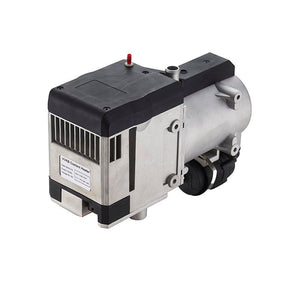
12KW Diesel Water Heater 12V — Apollo-C3 Coolant Heater for Trucks, RVs, Caravans and Boats
12KW Diesel Water Heater 12V — Apollo-C3 Coolant Heater for Trucks, RVs, Caravans and Boats
What a Diesel Coolant Heater Actually Does
A diesel coolant heater burns diesel fuel to heat your vehicle's coolant loop — the same loop your engine uses to regulate temperature. It runs independently on 12V battery power, with no need for shore power or a running engine. You get consistent heat output from -40°F (-40°C) upward, whether you're parked overnight or pre-warming before a cold start.
Engine and Cabin — Two Jobs, One Heater
Because the heater works through your coolant system, it heats both your engine block and your cabin at the same time. Warm coolant flows through your engine before you start it — reducing cold-start wear on pistons, seals, and oil. The same loop feeds your cabin heater core, so you step into a warm vehicle without idling. One heater, two results, one fuel tank.
5KW or 12KW — Which Output Fits Your Vehicle
Output determines how fast the heater warms your system and how large a coolant volume it can handle. Choose based on your vehicle's coolant capacity and how quickly you need heat.
| Output | Best For | Coolant Volume | Fuel Use |
|---|---|---|---|
| 5KW | Cars, vans, small RVs, boats | 4+ liters | 0.30–0.61 L/hr |
| 12KW | Large trucks, motorhomes, buses | 8+ liters | 0.60–1.20 L/hr |
If your coolant system is larger than 8 liters — typical in diesel trucks, motorhomes, and heavy equipment — the 12KW model heats your system in the same 20–30 minutes that a 5KW takes for a smaller vehicle. Running a 5KW on a large system means longer warm-up times and less effective cabin heat in extreme cold.
CE, RoHS and FCC Certified — What Cheap Coolant Heaters Skip
Every Vvkb coolant heater carries CE, RoHS, and FCC certification — independently tested for electrical safety, emissions compliance, and electromagnetic compatibility. Cheap alternatives skip this step because certification requires physical product testing and ongoing compliance. You get a heater built to the same standards required for the European and North American markets.
Coolant Heater or Hot Water System — Which One Do You Need
A diesel coolant heater heats your engine and cabin. A diesel hot water system does all of that, plus it provides domestic hot water for showering and washing — and it can recover waste heat from your running engine to extend your fuel range.
Choose a coolant heater if you need engine pre-warming and cabin heat. Choose a hot water system if you live or travel full-time in your RV or boat and need running hot water as well. Both run on diesel, both work to -40°F (-40°C), and both connect to your existing coolant loop.
Installation Overview
Installation takes 2–4 hours with basic mechanical skills. Every unit ships with all fittings, hose clamps, and a printed installation guide.
- Mount the heater at the lowest point in your coolant circuit — this prevents air pockets from forming in the unit.
- Connect to your coolant hose using the 20mm inlet and outlet ports. Use the supplied clamps and ensure both connections are watertight.
- Route the exhaust pipe (22mm diameter) downward and rearward — minimum 20 inches (500mm), maximum 40 inches (1000mm) — away from fuel lines and passenger areas.
- Refill coolant, purge all air from the system before first use, then run a test cycle to check for leaks and confirm heat output.
Watch the full installation walkthrough: Vvkb Diesel Coolant Heater Installation Video
FAQ
What is the difference between a diesel coolant heater and a diesel air heater?
A diesel air heater pulls in outside air, burns diesel to heat it, and blows warm air directly into your cabin — it does not touch your coolant system or pre-warm your engine. A diesel coolant heater burns diesel to heat your coolant loop, which simultaneously pre-warms your engine block and feeds warm coolant to your cabin heater core. If engine pre-warming matters to you, choose the coolant heater.
Should I choose the diesel or gasoline version?
Match the heater to your vehicle's fuel. Diesel coolant heaters run on diesel only — using gasoline will cause ignition failure. Gasoline coolant heaters run on gasoline only. Both versions operate identically and deliver the same heat output; the only difference is the fuel type and the combustion system tuned for it.
How do I choose between 5KW and 12KW?
Base your choice on coolant volume. Systems with 4–7 liters of coolant — typical in cars, vans, and small RVs — work well with the 5KW model. Systems with 8 liters or more — large diesel trucks, motorhomes, buses — need the 12KW to achieve the same warm-up time. Running a 5KW on a large system means longer warm-up and weaker cabin heat in extreme cold.
Does it run while the engine is off?
Yes. That is its primary purpose. The heater runs on 12V battery power and operates completely independently of the engine. You can pre-warm your vehicle 30–60 minutes before you start it, or run it while parked overnight to keep the cabin temperature stable.
What is the difference between a coolant heater and a hot water system?
A coolant heater heats your engine and cabin. A hot water system does all of that, plus it provides domestic hot water for showering and washing, and it can recover waste heat from your running engine to reduce fuel consumption. Choose a coolant heater for engine and cabin warmth. Choose a hot water system if you need running hot water as well.
How much fuel does it use?
Use these articles to answer questions that customers have about your products and services. You can use text, links and images and also group articles into categories.
Can I use this on a boat or marine engine?
Yes. Both the 5KW and 12KW models work on marine diesel engines. Mount the heater below the waterline level of your coolant system, route the exhaust overboard with a water trap, and ensure all connections are sealed against moisture. The heater runs on 12V DC, which is standard on most marine electrical systems.


